AI in Hospitals: Smarter Healthcare Delivery
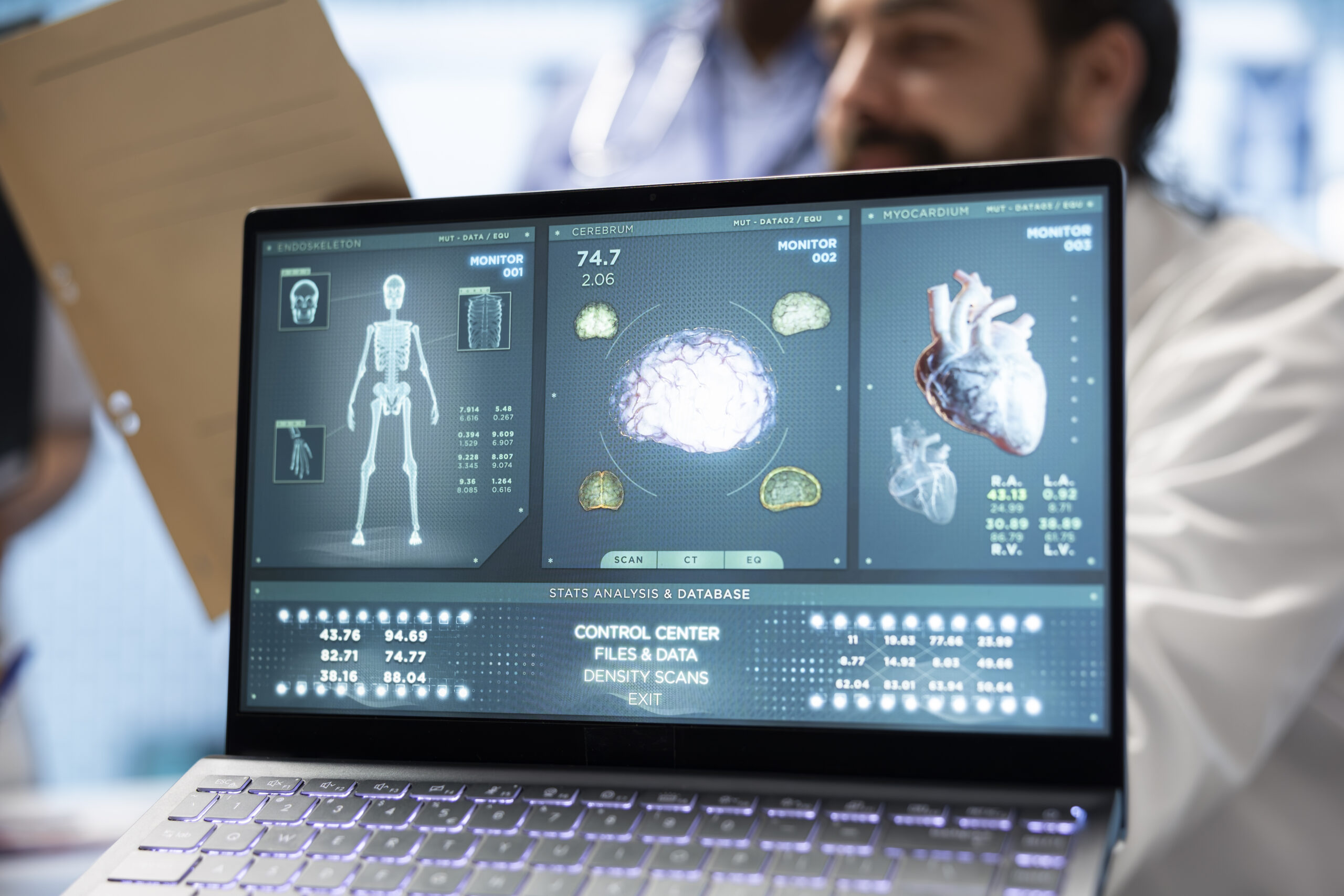
Healthcare systems worldwide face mounting pressure from growing patient demands, complex diseases, and a shortage of skilled staff. AI in hospitals is reshaping how medical teams deliver care, enhancing efficiency, accuracy, and patient satisfaction. By integrating artificial intelligence into every step of patient care—from diagnostics to treatment planning—hospitals can operate more efficiently and effectively than ever before.
AI in hospitals bridges the gap between technology and medicine. It enables clinicians to make faster, evidence-based decisions while reducing human error. The goal is not to replace healthcare workers but to empower them with tools that streamline processes and support better outcomes.
How AI Transforms Patient Care
Modern hospitals use AI to personalize treatments, monitor patients, and predict potential health issues before they escalate. Artificial intelligence systems analyze vast amounts of medical data, enabling doctors to identify subtle patterns that humans might otherwise miss. This leads to faster diagnoses, timely interventions, and improved recovery rates.
AI in hospitals also improves communication between departments. When all patient information is accessible in real time, doctors, nurses, and technicians can collaborate more efficiently. As a result, patients receive care that is both coordinated and precise.
Diagnostic Imaging Enhanced by AI
Radiology departments are among the first to benefit from AI in hospitals. Machine learning models can now accurately read X-rays, CT scans, and MRIs. These algorithms highlight potential problem areas, enabling radiologists to detect diseases such as cancer, pneumonia, or fractures earlier.
AI diagnostic tools not only speed up analysis but also reduce diagnostic errors. Hospitals that adopt these systems can process a greater number of imaging studies daily without compromising quality. Ultimately, patients get faster answers, and doctors can begin treatment sooner.
Predictive Analytics for Proactive Healthcare
Predictive analytics is another primary application of AI in healthcare settings, including hospitals. Using patient history, lifestyle data, and lab results, AI algorithms can forecast future health risks. For instance, they can predict the likelihood of heart attacks, infections, or hospital readmissions.
These insights allow medical teams to take preventive measures before a crisis occurs. For example, a hospital can flag high-risk patients and schedule additional monitoring or counseling sessions. This proactive approach not only saves lives but also significantly reduces healthcare costs.
AI in Surgery: Precision and Safety
AI in hospitals has also transformed surgical procedures. Robotic-assisted surgeries powered by AI deliver precision that exceeds human capability. These systems guide surgeons during complex operations, ensuring smaller incisions, reduced bleeding, and faster recovery times.
AI-driven surgical tools continually learn from previous cases, improving with each subsequent procedure. Surgeons can access real-time insights, predict complications, and adjust their strategies instantly. With these advancements, hospitals can perform safer surgeries and achieve better patient outcomes.
Streamlining Hospital Operations
Efficient hospital operations are crucial for delivering high-quality patient care. AI plays a vital role in managing administrative tasks, scheduling, and resource allocation. Intelligent systems optimize staff rosters, predict patient admissions, and track bed availability.
When AI handles these logistical tasks, healthcare professionals can focus more on patient care and treatment. Additionally, AI-powered chatbots can manage patient inquiries, schedule appointments, and securely share test results with patients. This automation reduces wait times and enhances the overall hospital experience.
Personalized Medicine and Treatment Plans
Personalized medicine is a cornerstone of AI in hospitals. By examining each patient’s genetic data, medical history, and environmental factors, AI can tailor treatments to the individual’s specific needs.
For example, AI can recommend the most effective drug combinations or identify potential side effects before a prescription is filled. This precision leads to better treatment outcomes and fewer complications. Patients also feel more confident knowing their care plan is uniquely designed for them.
Virtual Nursing and Remote Monitoring
AI in hospitals extends beyond physical walls. Virtual nursing assistants powered by AI can remotely monitor patients, answer common health questions, and remind them to take their medication.
These virtual systems help reduce readmission rates and maintain patient engagement after discharge. In rural areas or during public health crises, remote monitoring ensures continuous care without requiring hospital visits. This technology supports the healthcare system even during periods of high demand.
Enhancing Data Security and Compliance
As hospitals digitize patient information, data security becomes a critical concern. AI-driven cybersecurity tools detect and respond to potential threats in real time. They monitor unusual access patterns and prevent unauthorized data breaches.
AI in hospitals also helps maintain compliance with healthcare regulations such as HIPAA. By automating data management, hospitals ensure patient privacy while meeting strict legal requirements. This trust strengthens the relationship between hospitals and their patients.
Training and Supporting Medical Staff
AI not only assists in patient care but also supports healthcare staff in their work. Intelligent simulation tools offer training for doctors and nurses, enabling them to practice complex procedures safely. AI-powered education platforms analyze performance and recommend personalized learning paths.
When staff members are better trained, hospitals operate more efficiently, and patients receive higher-quality care. Moreover, AI reduces burnout by automating repetitive tasks, allowing healthcare professionals to focus on critical decision-making and compassionate interaction.
Overcoming Challenges of AI in Hospitals
While the benefits of AI in hospitals are undeniable, challenges still exist. Data integration across multiple systems can be a complex process. Hospitals must ensure compatibility and maintain data accuracy to ensure seamless operations.
Ethical concerns also arise when machines make medical recommendations. Transparency and human oversight remain essential. Hospitals adopting AI must establish clear policies to ensure accountability, fairness, and trust in every application.
Additionally, implementing AI technology requires significant investment. However, the long-term return—through cost savings, efficiency, and better outcomes—makes it a worthwhile pursuit.
The Future of AI in Hospitals
The future of AI in hospitals promises even more innovation. Emerging technologies, such as natural language processing, computer vision, and advanced robotics, will continue to reshape healthcare.
Imagine AI systems that listen to patient interactions, instantly summarize doctor notes, and even detect emotional distress through voice analysis. These capabilities will redefine what it means to deliver patient-centered care.
Hospitals that embrace AI early will set new standards in healthcare delivery. They will be able to predict outbreaks, optimize treatments, and create truly smart healthcare ecosystems.
AI in hospitals represents more than a technological shift—it marks a transformation in how we view healthcare. With artificial intelligence guiding diagnostics, treatment, and administration, hospitals can deliver care that is faster, safer, and more human-centered.
By integrating AI responsibly, healthcare leaders can unlock a future where hospitals are not only more intelligent but also more compassionate. The journey toward smarter healthcare delivery has already begun, and AI is at its very heart.
Additional Information
- Blog
- artificial intelligence, medical teams, surgical tools
- Janet Chollet