Artificial Intelligence in Clinical Processes: Improving Everyday Healthcare
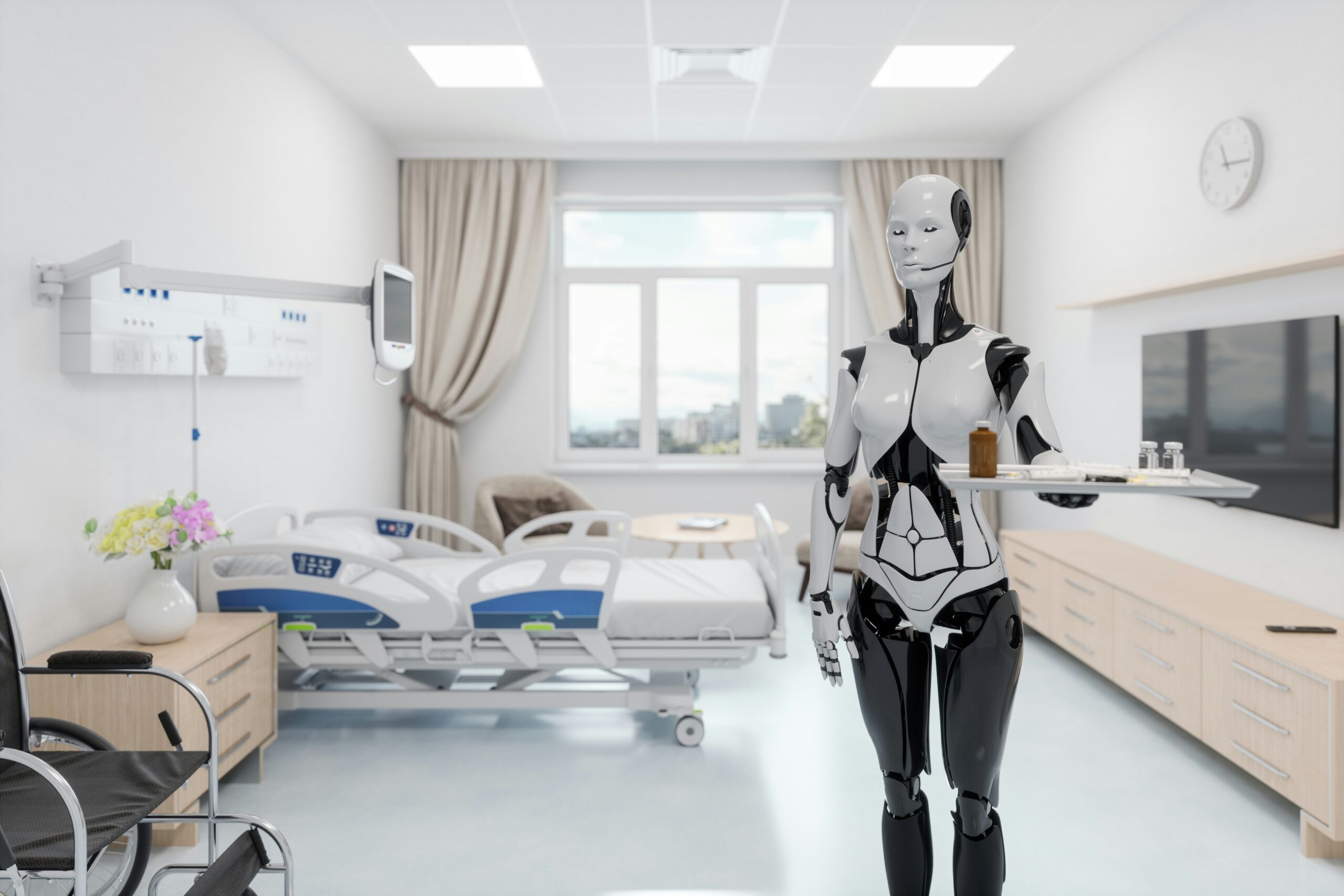
Artificial intelligence continues to reshape modern healthcare as hospitals and clinics search for faster, safer, and more efficient ways to deliver care. Healthcare professionals manage enormous amounts of patient information every day, and therefore, require advanced tools to process it quickly. Artificial intelligence offers solutions that support diagnosis, automate routine tasks, and improve clinical decisions. Moreover, AI-powered systems help medical teams detect patterns in patient data that might otherwise go unnoticed. As technology advances, healthcare providers increasingly integrate these intelligent tools into everyday clinical processes to improve patient outcomes and operational efficiency.
AI Improves Clinical Decision Making
Healthcare professionals often analyze complex information before selecting the best treatment plan. Artificial intelligence helps clinicians quickly review medical data and identify meaningful patterns that inform better decisions. In many cases, machine learning systems compare current patient information with thousands of historical records. As a result, doctors gain insights that support more accurate diagnoses and more effective treatments.
Furthermore, decision-support systems provide valuable recommendations that complement clinical expertise. Instead of replacing physicians, intelligent systems enhance their ability to evaluate patient conditions thoroughly. Consequently, clinicians can explore treatment options faster while maintaining high standards of care. This partnership between human expertise and advanced technology improves confidence in clinical decisions and ultimately benefits patient health.
Smart Systems Streamline Clinical Workflow
Daily clinical work includes many administrative responsibilities that reduce time spent with patients. Fortunately, artificial intelligence helps reduce this burden by automating documentation and data organization. Voice recognition software can convert spoken conversations into structured medical records, saving healthcare providers valuable time.
In addition, smart scheduling tools help hospitals coordinate appointments and manage patient flow more efficiently. Predictive algorithms estimate patient demand and allocate staff resources accordingly. As a result, clinics reduce delays and improve overall efficiency. These improvements allow healthcare teams to concentrate more fully on delivering high-quality patient care.
Advanced Imaging Technology Enhances Diagnosis
Medical imaging plays a crucial role in detecting many diseases, and advanced digital tools now support this process. Artificial intelligence can analyze imaging results, such as CT scans, MRIs, and X-rays, at remarkable speed. Because these systems detect subtle visual patterns, they often help radiologists identify abnormalities earlier.
Moreover, imaging software powered by machine learning offers consistent results across thousands of scans. While human fatigue may affect interpretation, automated systems maintain steady performance. Consequently, radiologists gain a reliable second layer of analysis, thereby improving diagnostic confidence. This technology, therefore, enhances the overall accuracy of imaging-based diagnoses.
Personalized Care Through Intelligent Data Analysis
Modern medicine increasingly focuses on treatments tailored to individual patients. Artificial intelligence contributes to this shift by analyzing medical history, genetic data, and lifestyle factors. With these insights, clinicians can design therapies that match each patient’s unique health profile.
Furthermore, digital monitoring tools collect ongoing patient data through wearable devices and mobile health platforms. Intelligent systems evaluate this information and alert clinicians when health patterns change. As a result, healthcare providers can adjust treatment plans earlier and prevent complications. Personalized care, therefore, becomes more practical and effective through data-driven support.
Intelligent Monitoring Improves Patient Safety
Hospitals increasingly rely on real-time monitoring systems that continuously track vital signs. Artificial intelligence helps analyze measurements such as heart rate, oxygen levels, and blood pressure. When abnormal patterns appear, the system alerts medical teams immediately.
Additionally, predictive analytics help clinicians anticipate potential complications before symptoms worsen. By analyzing patient data, intelligent monitoring platforms identify warning signals that require attention. Consequently, healthcare providers can intervene quickly and prevent serious health events. This proactive approach improves patient safety across many clinical environments.
Technology Reduces Operational Costs
Healthcare systems face rising costs, and advanced digital tools help address this challenge. Artificial intelligence identifies inefficiencies in hospital operations and suggests improvements in workflow and resource allocation. For example, predictive models estimate hospital admission trends and help administrators plan bed availability.
Furthermore, better diagnostic accuracy reduces unnecessary testing and repeated procedures. When clinicians gain clearer insights early in the treatment process, patients often receive faster, more effective care. As a result, healthcare organizations can improve both financial sustainability and patient outcomes.
Preventive Healthcare Gains Strong Support
Preventive care represents one of the most valuable applications of modern medical technology. Artificial intelligence analyzes large health databases to identify individuals who may be at higher risk of disease. Healthcare providers can then design targeted prevention programs that address these risks early.
In addition, predictive analytics helps clinicians detect early warning signs of chronic conditions. Electronic health records contain valuable patterns that intelligent systems can evaluate rapidly. Consequently, physicians gain the opportunity to recommend lifestyle changes or early treatments before diseases progress. Preventive care, therefore, becomes more proactive and effective with digital assistance.
The Growing Role of AI in Clinical Practice
Artificial intelligence will continue to influence clinical practice as technology evolves and healthcare data expands. Hospitals, research centers, and technology companies invest heavily in advanced systems that improve medical insight and patient care. As these tools become more sophisticated, clinicians will rely on them to support many aspects of daily work.
At the same time, healthcare leaders must ensure responsible implementation of these technologies. Strong data privacy protections and transparent algorithms will build trust among patients and providers. Nevertheless, innovation continues to move forward rapidly. Artificial intelligence, therefore, stands as a powerful partner in improving modern clinical processes and shaping the future of healthcare.
Additional Information
- Blog
- healthcare leaders, healthcare professionals, Intelligent systems
- Janet Chollet