Guiding Clinicians Toward Transformative Patient-Centered Innovation
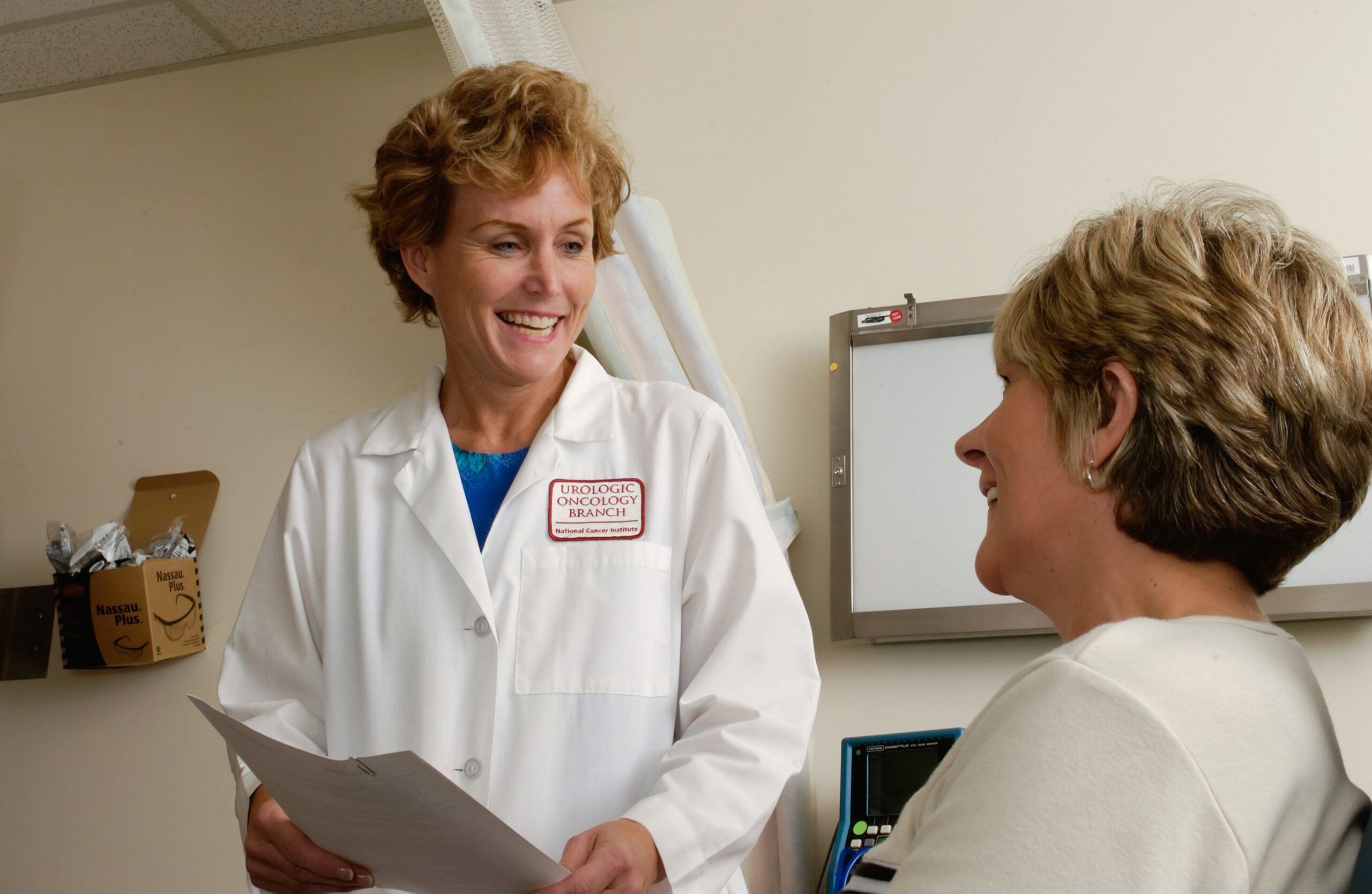
In a rapidly changing healthcare landscape, mentorship has emerged as one of the most powerful tools for inspiring innovation among clinicians. Beyond training and technical education, mentoring helps healthcare professionals develop the mindset needed to balance evidence-based medicine with creative problem-solving. Effective mentors serve as catalysts—helping clinicians channel their insights and experiences into patient-centered innovations that address real challenges in care delivery.
This process transforms healthcare from within. When clinicians are guided to think innovatively, they begin to see every patient interaction as an opportunity for improvement. Mentorship encourages them to question conventional systems, explore novel technologies, and design approaches that improve both efficiency and empathy in the patient experience.
Creating a Framework for Patient-Driven Innovation
Mentorship programs that emphasize patient-centered innovation thrive on clear structure and shared purpose. Mentors help clinicians navigate the complexities of healthcare reform by grounding innovation in patient needs rather than administrative metrics. This framework ensures that each new idea—whether it involves telehealth, workflow redesign, or preventive care—begins with understanding patients’ values, preferences, and lived experiences.
Within this mentorship model, reflection and dialogue play crucial roles. Mentors encourage mentees to analyze case studies, engage in design-thinking sessions, and identify areas where current care models fall short. Through this process, clinicians not only develop innovative solutions but also internalize the principles of human-centered care that drive long-term change.
Empowering Clinicians Through Collaborative Mentoring
Innovation flourishes in collaboration. By pairing clinicians with mentors across disciplines—such as technology, behavioral health, or policy—mentorship programs break down silos that often inhibit progress. A cardiologist, for example, might partner with a data scientist to design personalized monitoring systems, while a nurse innovator collaborates with a social worker to improve care continuity for vulnerable patients.
This interdisciplinary mentorship exposes clinicians to new perspectives, enhancing their capacity to design comprehensive care models. Through open communication and knowledge sharing, clinicians learn that innovation is not a solitary pursuit but a shared mission guided by the goal of improving patient lives.
Mentorship as a Bridge Between Technology and Humanity
As digital health tools become more prevalent, mentors play an essential role in helping clinicians adopt technology without losing sight of compassion. From AI-assisted diagnostics to remote monitoring systems, innovation offers enormous potential—but only when used responsibly and ethically. Mentors can help clinicians assess how technology enhances care quality, strengthens patient relationships, and maintains the dignity and privacy of those they serve.
Additionally, mentors emphasize the importance of digital empathy—the ability to connect with patients meaningfully even through virtual platforms. Clinicians learn to personalize telehealth encounters, communicate effectively, and ensure that patients feel heard and valued, regardless of the medium. This integration of empathy and innovation defines the new era of patient-centered care.
Developing Leadership and Vision in Healthcare Innovators
Mentorship not only develops technical and creative skills but also nurtures leadership. Clinicians who are mentored to think beyond routine practice gain the confidence to advocate for systemic improvements. They become innovators who can influence policy, redesign workflows, and inspire colleagues to adopt new care models.
Leadership training through mentorship includes strategic thinking, emotional intelligence, and ethical decision-making—all essential for driving patient-focused innovation. When clinicians lead with vision and empathy, they can transform their organizations into environments where innovation is not a challenge but a shared expectation.
Evaluating the Impact of Mentorship-Driven Innovation
Innovation must be measurable to be meaningful. Mentors guide clinicians in setting realistic goals and tracking the outcomes of their innovations. Metrics such as improved patient satisfaction, reduced wait times, and enhanced care coordination offer tangible evidence of success. This data-driven approach ensures accountability and reinforces the value of mentorship in producing real-world improvements.
Continuous feedback is equally critical. Mentors encourage mentees to reflect on both successes and setbacks, using each experience as an opportunity for growth. By fostering a culture of iterative improvement, mentorship ensures that innovation is sustainable and adaptable to evolving healthcare needs.
Addressing Challenges in Mentorship for Clinicians
Despite its proven benefits, mentorship in healthcare innovation faces persistent obstacles. Many clinicians struggle to find time for mentoring amid busy schedules, and institutions may lack the infrastructure to support structured programs. However, modern solutions—such as virtual mentoring sessions, peer-learning platforms, and short-term innovation fellowships—can bridge these gaps and make mentorship more accessible.
Mentors must also be trained to nurture creativity rather than enforce conformity. Encouraging mentees to take calculated risks and think beyond established protocols helps cultivate the next generation of clinician-innovators. When mentorship embraces curiosity and experimentation, it transforms challenges into opportunities for patient-centered breakthroughs.
The Path Forward: Innovation Rooted in Compassion
The most profound healthcare innovations are those that begin with empathy. Mentorship empowers clinicians to translate compassion into action—developing solutions that align with both scientific excellence and human values. As mentorship becomes an integral part of healthcare culture, clinicians gain the tools, confidence, and vision to shape the future of patient care.
Ultimately, mentoring clinicians in patient-centered innovation ensures that progress in medicine remains deeply personal. By combining experience with imagination, mentors and mentees work together to create a healthcare system that evolves continuously while never losing sight of its true purpose: healing with humanity.
Additional Information
- Blog
- healthcare professionals, healthcare system, virtual platforms
- Janet Chollet