How Next-Generation Medical Science Is Solving the World’s Hardest Diseases
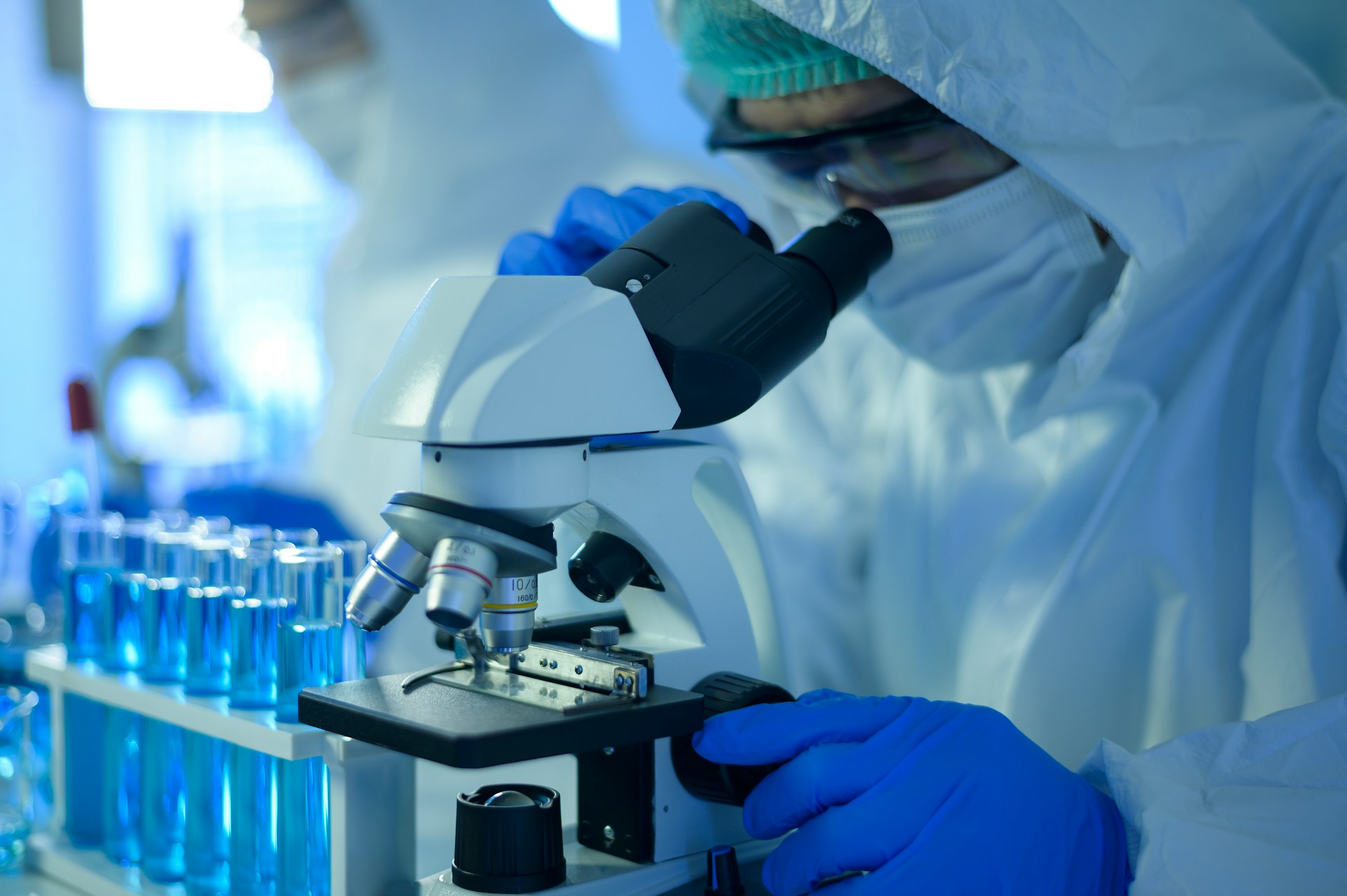
Across the globe, countless patients live with conditions that once had no clear answers. These illnesses often progressed quietly, affecting daily life while receiving little scientific attention. Today, however, that narrative is changing as innovation accelerates at an unprecedented pace. In the middle of this medical shift, breakthroughs in rare conditions are redefining what is possible, giving patients and families renewed confidence in science-driven care and long-term solutions.
Understanding the Reality of Untreated Diseases
Untreated diseases usually emerge from complex biological causes, including genetic mutations, immune dysfunction, or rare metabolic errors. Because patient populations are often small, these conditions historically lacked visibility and funding. As a result, many individuals relied on supportive care rather than targeted solutions, which limited long-term improvement.
However, awareness has grown steadily over the last decade. Researchers now understand that studying rare conditions can reveal universal biological mechanisms. Therefore, investment in untreated diseases no longer feels risky, but rather essential. This evolving mindset has pushed innovation forward and expanded scientific curiosity.
Scientific Innovation Is Shifting the Treatment Model
Traditional drug development focused on symptom relief, yet that approach often fell short for untreated diseases. Modern science now aims to correct disease mechanisms at their source. Because of this shift, therapies are becoming more precise and effective.
For example, molecular targeting allows scientists to intervene at specific points within a disease pathway. This focus improves success rates and reduces unwanted effects. As a result, patients experience better outcomes while researchers gain clearer insights into disease behavior.
Gene Editing Opens New Doors
Gene editing technologies have transformed how scientists think about treatment design. Instead of managing disease progression, researchers can now directly modify faulty genes. This approach offers lasting benefits for inherited conditions that once seemed impossible to treat.
Moreover, improved delivery systems have made these therapies safer and more predictable. Researchers now refine dosage, timing, and targeting with remarkable accuracy. Consequently, gene editing continues to expand its role in addressing previously untreatable illnesses.
Regenerative Medicine Brings Restoration, Not Just Relief
Regenerative medicine focuses on healing damaged tissues and restoring lost function. Stem cell research plays a central role in this field, especially in the treatment of degenerative and neurological conditions. By encouraging the body to repair itself, these therapies move beyond symptom control.
In addition, regenerative approaches adapt to each patient’s biology. This flexibility makes them especially valuable for complex diseases with variable progression. As clinical trials advance, regenerative medicine continues to prove its potential as a cornerstone of future treatment.
Data and Artificial Intelligence Speed Progress
Artificial intelligence has become an essential tool in modern medical research. By processing vast amounts of clinical and genetic data, AI identifies patterns that guide the development of therapies. For untreated diseases, this capability accelerates discovery while reducing cost.
Furthermore, AI improves clinical trial design by identifying suitable patient groups and predicting responses. This efficiency helps promising therapies reach patients sooner. As technology evolves, data-driven decision-making will only strengthen research outcomes.
Collaboration Fuels Breakthroughs
No single organization can solve the problem of untreated diseases alone. Collaboration between academic institutions, biotech companies, and healthcare providers now drives progress. These partnerships share expertise, resources, and risk, which accelerates innovation.
At the same time, global collaboration allows researchers to pool patient data across borders. This approach improves trial accuracy and speeds validation. Therefore, cooperation has become a defining feature of modern therapeutic development.
Regulatory Frameworks Are Becoming More Adaptive
Regulators play a critical role in bringing new therapies to patients safely. In recent years, approval pathways have evolved to support innovation without compromising safety. Accelerated reviews and conditional approvals help address urgent medical needs.
These frameworks also encourage transparency between developers and regulators. Clear guidance reduces uncertainty and shortens development timelines. As a result, patients gain faster access to life-changing therapies.
Patients Are Active Partners in Innovation
Patients now play an active role in shaping research priorities. Advocacy groups raise awareness, fund studies, and influence trial design. Their insights ensure that therapies address real-world challenges rather than theoretical outcomes.
In addition, patient-reported data improves understanding of treatment impact. This feedback helps refine therapies and enhance the quality of life. Therefore, patient engagement has become essential to meaningful progress.
Remaining Challenges and Practical Solutions
Despite rapid advancement, challenges still exist. High development costs and complex manufacturing processes can limit access. Additionally, long-term data remain limited for many emerging therapies.
However, innovative funding models and international cooperation are addressing these issues. Governments, nonprofits, and private investors increasingly share responsibility. With continued effort, access barriers will continue to shrink.
A Future Defined by Possibility
The future of medicine looks brighter than ever for those affected by untreated diseases. Scientific creativity, combined with technological precision, continues to unlock new treatment options. Each discovery builds on the last, creating momentum across the healthcare ecosystem.
In the final stage of this transformation, next-generation disease solutions reflect hope backed by evidence, proving that persistence and innovation can turn unmet needs into measurable progress for patients worldwide.
Additional Information
- Blog
- Janet Chollet