Pioneering Therapies for Untreated Diseases
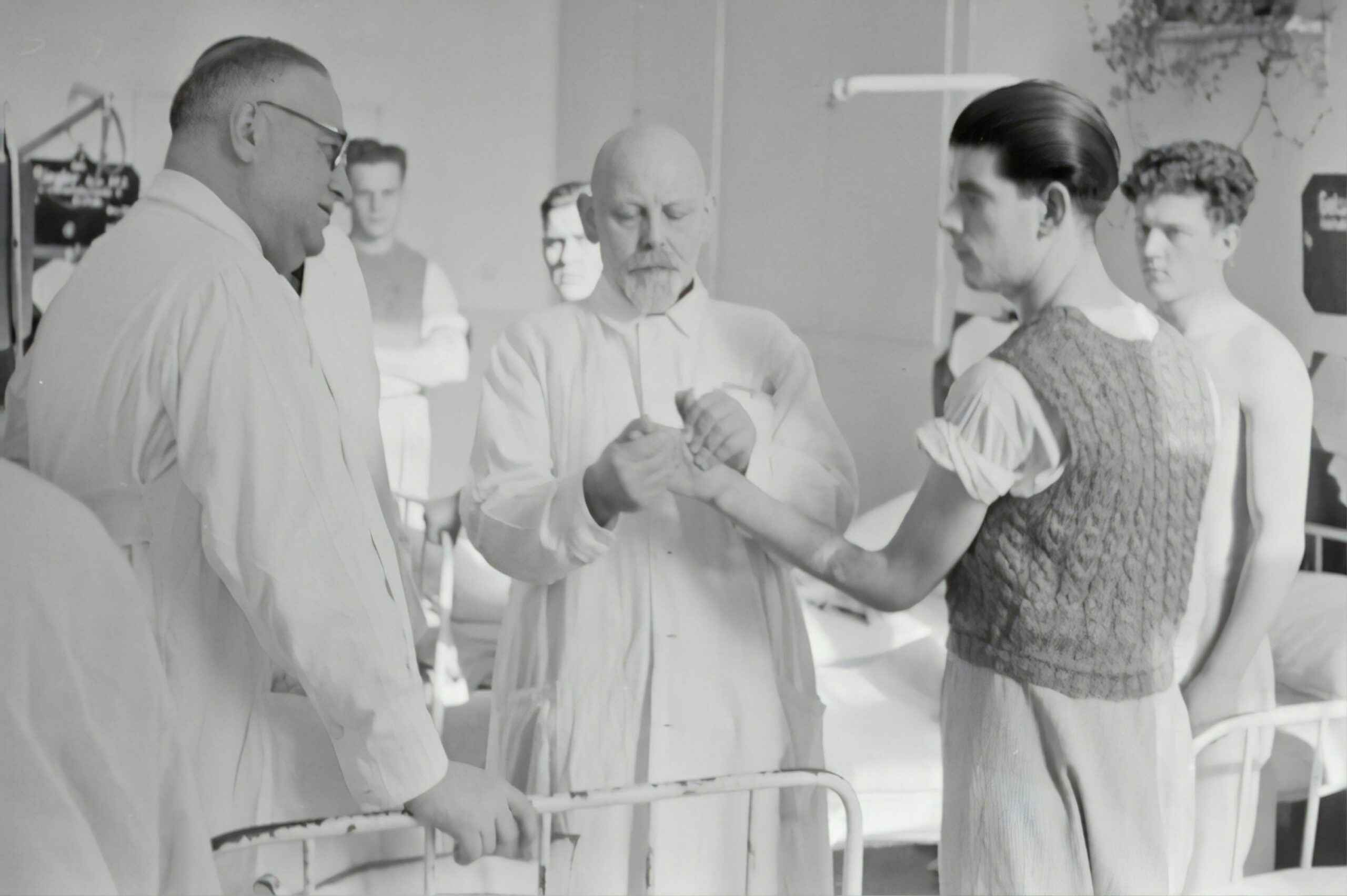
Many people around the world live with conditions that have no approved treatments. These diseases can be rare, complex, or misunderstood. Patients and families often face long periods of uncertainty while doctors do their best with limited tools. The absence of targeted care can lead to worsening symptoms and emotional strain.
Researchers and clinicians understand this gap well. They recognize that untreated diseases create both medical and social challenges. Limited awareness slows progress and makes it harder to secure funding for innovation. Yet despite these barriers, science continues to push forward.
The Shift Toward Precision Medicine
A breakthrough in recent years is the rise of precision medicine. This approach focuses on understanding how diseases behave at the individual level. Instead of treating large groups the same way, doctors look at genetic patterns, lifestyle factors, and environmental influences. This shift helps them identify small but important details that can guide treatment.
As a result, scientists can now explore therapies designed for very specific problems. These treatments may address issues that were once overlooked. Precision medicine has opened the door to targeted research and renewed hope for patients with rare or complex diseases.
Advances in Gene-Based Therapies
Gene-based therapies offer a powerful new direction for medicine. These treatments aim to repair or replace faulty genes that cause disease. By addressing the problem at its root, gene therapies can create long-term improvements. Some even show the potential for a one-time treatment that lasts for years.
The progress in this field has been steady and inspiring. Early challenges related to safety and delivery have given way to more refined methods. Scientists can now guide therapeutic genes to precise locations within the body. This accuracy reduces risks and boosts the chance of success for people with conditions once deemed untreatable.
The Rise of Regenerative Medicine
Regenerative medicine is another promising area. It uses the body’s natural healing ability by restoring or replacing damaged tissues. This field includes technologies like stem cell therapy and tissue engineering. These methods can rebuild functions lost due to injury, illness, or genetic defects.
Researchers continue to learn how to grow healthy tissues in controlled environments. These tissues may someday repair organs or replace damaged structures. Early clinical trials show positive results, especially for diseases that previously had no solutions. Regenerative medicine brings new optimism to patients who have been waiting for options.
Harnessing the Power of Immunotherapy
Immunotherapy has changed how experts view the immune system. Instead of treating symptoms alone, these therapies train the body to fight disease more effectively. At the same time, immunotherapy is widely known for cancer care; its potential reaches far beyond. It is now being explored for autoimmune conditions, chronic infections, and rare immune disorders.
Scientists are uncovering ways to guide the immune system with greater precision. They study how immune cells communicate and adapt. With this knowledge, they can design treatments that strengthen natural defenses without overwhelming the body. This careful balance makes immunotherapy a valuable tool for diseases that previously lacked solutions.
AI’s Growing Role in Medical Discovery
Artificial intelligence is reshaping medical research. AI systems can analyze massive amounts of data in seconds. This speed allows researchers to find patterns that once took years to understand. When studying untreated diseases, AI can identify new therapeutic targets or reveal hidden connections among symptoms.
AI also improves the design of clinical trials. It predicts how patients may respond to new treatments, helping researchers design safer, more effective studies. As AI continues to evolve, it will accelerate discoveries and support scientists in solving complex medical mysteries.
Collaboration Between Science and Industry
The progress seen today would not be possible without collaboration. Universities, laboratories, biotech companies, and patient organizations all contribute to the development of new therapies. By sharing resources and goals, they speed up the journey from discovery to treatment.
This teamwork benefits patients directly. When different groups unite, they can explore ideas that might be overlooked in isolated settings. They also create stronger support networks for people who need access to experimental therapies. Collaboration helps ensure that innovation reaches those who need it most.
The Importance of Early Diagnosis
Developing new therapies is only half the battle. Early diagnosis is crucial for successful treatment. Many untreated diseases progress quietly before symptoms become severe. This delay makes it harder for patients to receive help in time. Early detection tools, including advanced imaging and genetic screening, are essential for changing this pattern.
When diseases are identified early, patients can join clinical trials or receive cutting-edge treatments sooner. Researchers also gain more accurate information when they study diseases in their initial stages. Improved diagnosis strengthens the entire medical landscape and gives patients a better chance for positive outcomes.
Barriers That Still Need Solutions
Even with tremendous progress, challenges remain. Some diseases are extremely rare, making it difficult to gather enough data for research. Others involve complex biological processes that scientists are still trying to understand. Funding limitations can slow discovery, especially for conditions that affect small populations.
These obstacles highlight the need for continued support and awareness. Patients often become strong advocates for research, pushing for change when few others notice the need. Their determination inspires scientists to keep exploring new possibilities. Every barrier removed brings the medical field closer to groundbreaking treatments.
A Future Built on Innovation and Hope
The landscape of untreated diseases is changing rapidly—new technologies, deeper scientific understanding, and growing collaboration are fueling a wave of innovation. Patients who once had no treatment options now see therapies emerging from fields such as gene editing, immunotherapy, and regenerative medicine.
This progress signals a future where untreated diseases become rare. Each breakthrough improves the quality of life for individuals and strengthens the medical community’s knowledge. With continued dedication and curiosity, science will keep uncovering solutions that once seemed impossible.
Additional Information
- Blog
- emotional strain, immune system
- Janet Chollet