Revolutionizing Healthcare: AI Tools in Modern Clinical Workflows
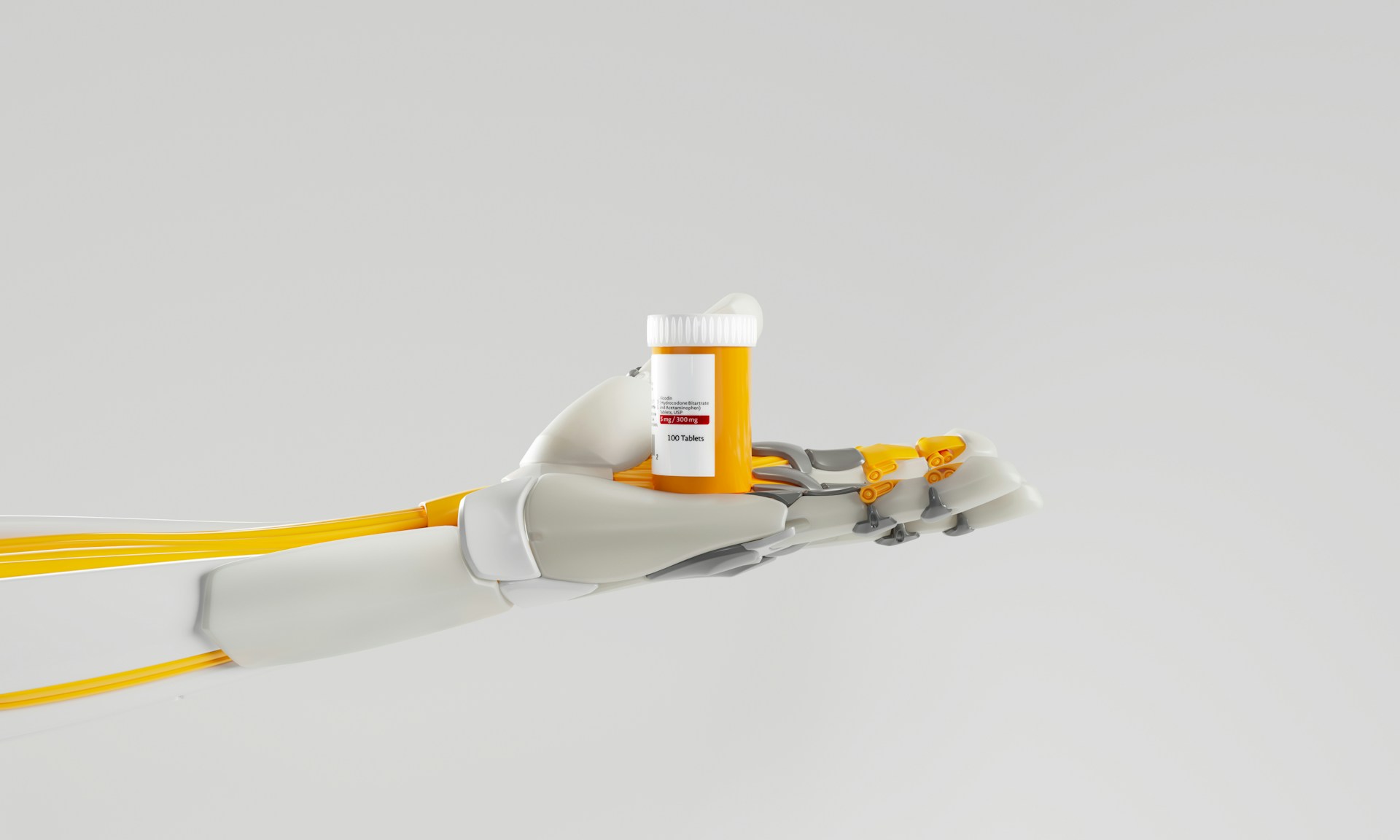
Healthcare systems today face unprecedented challenges: growing patient populations, complex medical procedures, and increasing administrative burdens. Practical AI offers a solution by embedding intelligent tools directly into clinical workflows. These technologies support medical teams, improve operational efficiency, and enhance patient care. Hospitals and clinics can now leverage AI to analyze data, streamline tasks, and provide actionable insights in real time.
Practical AI is transforming everyday clinical practices. Instead of remaining a theoretical concept, AI now actively supports decision-making, predicts patient outcomes, and manages workflow bottlenecks. Organizations that adopt these tools gain a competitive advantage by improving care delivery while reducing costs. Moreover, AI offers scalability, enabling healthcare systems to maintain high-quality care even as patient demand increases.
AI-Powered Diagnostics and Decision Support
A critical application of practical AI lies in diagnostics. Modern AI algorithms process medical images, laboratory tests, and patient records more efficiently and often with greater accuracy than traditional methods. Radiologists, pathologists, and cardiologists are increasingly relying on AI to identify subtle abnormalities and patterns that may otherwise go unnoticed.
Beyond imaging, AI serves as a decision support system. It evaluates patient data, provides treatment recommendations, and flags potential risks. Clinicians receive evidence-based guidance for selecting the most effective therapies, reducing errors, and improving patient outcomes. AI does not replace human judgment; instead, it enhances it, enabling faster and more confident clinical decisions. Additionally, AI-driven predictive models can anticipate patient deterioration in intensive care units, allowing timely interventions and reducing critical incidents.
Streamlining Clinical Operations with AI
Practical AI also optimizes clinical operations. AI-driven scheduling systems accurately predict appointment durations, efficiently allocate staff, and minimize patient wait times. This automation reduces administrative strain, freeing medical professionals to focus on patient-centered care.
AI also enhances the management of electronic health records (EHRs). Voice recognition, automated documentation, and data validation tools reduce the time clinicians spend on paperwork. Accurate and accessible patient data enhances collaboration across departments, enabling smoother transitions in care and better treatment coordination. Hospitals that utilize AI-powered logistics tools have also reported improved inventory management, leading to reduced medication shortages and lower operational costs.
Personalized Patient Care Through AI Insights
AI enables highly personalized patient care by analyzing individual health profiles, predicting risks, and suggesting customized interventions. Chronic disease management benefits significantly from predictive analytics, as AI identifies potential complications before they arise.
Patient engagement improves when AI facilitates communication. Mobile apps, virtual assistants, and automated reminders support adherence to medication and follow-up appointments. Patients receive guidance tailored to their specific health needs, promoting better outcomes and satisfaction. Wearable devices integrated with AI enable continuous monitoring of vital signs, allowing for proactive management of conditions such as diabetes or hypertension.
Ethical Practices and Responsible AI Use
While practical AI offers remarkable benefits, healthcare providers must approach implementation responsibly. Data privacy, algorithmic transparency, and bias mitigation remain top priorities. Diverse training datasets and continuous monitoring ensure AI recommendations are fair and accurate.
Clinicians also require proper education to interpret AI outputs effectively. Practical AI should complement human expertise, not replace it. Organizations that maintain ethical standards while using AI experience improved efficiency and better patient trust simultaneously. Regulatory frameworks are evolving to ensure AI use adheres to patient safety standards and privacy laws, creating a foundation for sustainable adoption.
AI Transforming Future Clinical Workflows
The potential of practical AI continues to expand. Advanced natural language processing, predictive analytics, and real-time monitoring systems promise more intuitive and adaptive clinical workflows. Hospitals using AI can anticipate patient needs, allocate resources proactively, and reduce delays in care delivery.
Collaborative AI platforms are connecting multiple healthcare systems, enabling the sharing of data and the coordination of treatment. Future workflows will be more patient-focused, data-driven, and efficient, with AI serving as a critical partner in clinical decision-making. Emerging AI technologies also allow remote monitoring and telehealth integration, expanding access to quality care for underserved populations.
Real-World Applications and Success Stories
Healthcare organizations adopting practical AI report tangible improvements. AI-assisted imaging reduces diagnostic errors and accelerates results, while AI-driven workflow tools streamline administrative tasks and enhance staff satisfaction.
In chronic disease care, predictive AI models lower hospitalization rates and enhance treatment adherence. Patients experience more precise, timely, and personalized care. Hospitals implementing AI-powered triage systems have observed faster emergency response times, optimizing resource allocation during peak periods. These examples demonstrate the practical application of AI as a transformative force, not merely a technological novelty.
Implementing AI Successfully in Clinical Settings
Implementing practical AI requires careful planning. Healthcare providers should target areas with the highest potential for efficiency gains or improved outcomes. Pilots enable teams to test tools, evaluate results, and gradually adapt workflows.
Staff training, data security, and continuous performance monitoring are essential. Feedback loops refine AI algorithms, ensuring alignment with clinical objectives. Partnerships with technology providers and research institutions can accelerate AI adoption, enabling the safe and effective implementation of the latest innovations. When technology, clinical expertise, and patient needs intersect, practical AI delivers maximum value.
The Path Forward: AI in Everyday Clinical Workflows
Practical AI is revolutionizing healthcare by improving workflow efficiency, enhancing decision-making, and supporting personalized patient care. From diagnostics and patient monitoring to administrative automation, AI tools deliver measurable benefits for both healthcare providers and patients.
As adoption grows, clinical workflows will become smarter, faster, and more patient-centric. By integrating AI responsibly, healthcare systems can enhance outcomes, minimize errors, and establish a sustainable and efficient model for modern medicine. Practical AI is not the future—it is the present, reshaping healthcare one workflow at a time.
Additional Information
- Blog
- Janet Chollet